The ECOVACS WINBOT W3 Omni Robot Window Cleaner review focuses on a glass-cleaning robot designed to reduce the work around routine window care.
Its differentiator is a station that washes the wiping pads after use, paired with app control, edge cleaning, and several cleaning modes.
WINBOT W3 Omni Review Summary
The quick verdict
500+ ratings
Read Amazon ReviewsECOVACS WINBOT W3 Omni
A fit for households with large glass panels that want automated routine window cleaning and less hands-on pad washing.
- A multi-functional station automatically washes the wiping pads after use; an optional self-cleaning function is also described for the station.
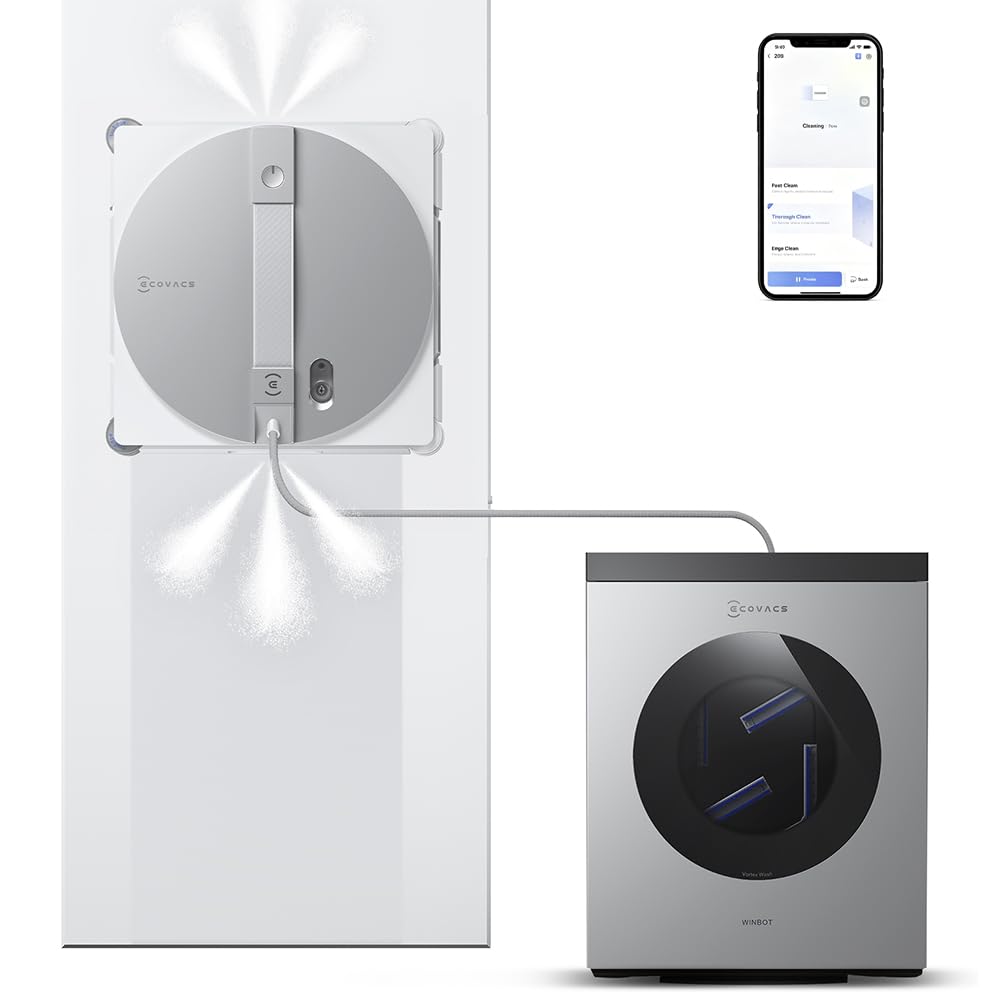
- The station’s Vortex Wash system uses 16 high-pressure nozzles and is specified to clean the pads in one minute.
- TruEdge technology lowers the scrubber along window edges and into corners, with automatic retraction during operation.
- WIN-SLAM 5.0 navigation includes dynamic obstacle avoidance and Fast, Intensive, and Zone cleaning modes.

Pros
- The pad-washing station directly reduces one of the repetitive chores of robot window cleaning.
- Multiple modes support different window layouts and levels of attention.
Consider before buying
- Heavy dust buildup may exceed what the pad can handle in one extended run, so rinsing it or repeating a cycle may be needed.
- The station adds equipment to store and set up, which may be hard to justify for a few small panes or infrequent cleaning.
Read the full review summary
The W3 Omni combines a robot for glass with a station that automatically washes its pads. That can make repeated cleaning sessions less hands-on, especially for homes with large windows, glass doors, or floor-to-ceiling panels.
Its navigation modes also give buyers options for routine passes, more intensive attention, or a selected zone.
The design is most appealing when cleaning glass is a recurring chore and pad maintenance is part of the burden.
It is less compelling for occasional, small-window touch-ups, where the station and robot may be more equipment than the task calls for.
The product description emphasizes routine dust, fingerprints, and light dirt; heavily soiled glass may need more than one cycle or a pad rinse.
The buying factors
WINBOT W3 Omni Scorecard
Editorial scores reflect listed features and buyer fit; they are not laboratory measurements or customer ratings.
Pad-care convenience
The station washes the wiping pads after use, a useful way to reduce the manual cleanup associated with repeated window runs.
Cleaning-mode flexibility
Fast, Intensive, and Zone modes let buyers choose between a quick pass, focused cleaning, and attention to a selected area.
Edge and corner attention
TruEdge is designed to lower along edges and reach into corners, addressing places a simple central wipe could miss.
Spray coverage design
Three wide-angle nozzles and a wet wiping pad are intended to spread spray across large windows and glass panels.
Routine-maintenance fit
It is designed for dust, fingerprints, and light dirt; built-up grime can fill the pad and may call for rinsing or additional cycles.
High-window suitability
The description includes a safety tether and anti-fall system for high glass, though buyers should still follow the supplied setup and safety instructions carefully.
Key Features and Specifications of WINBOT W3 Omni
- A multi-functional station automatically washes the wiping pads after use; an optional self-cleaning function is also described for the station.
- The station’s Vortex Wash system uses 16 high-pressure nozzles and is specified to clean the pads in one minute.
- TruEdge technology lowers the scrubber along window edges and into corners, with automatic retraction during operation.
- WIN-SLAM 5.0 navigation includes dynamic obstacle avoidance and Fast, Intensive, and Zone cleaning modes.
- A triple-nozzle wide-angle spray system works with the wet wiping pad to cover large windows and glass panels.
- Listed details include app control, a lithium-ion battery, up to 130 minutes of battery life, and a 1.1-liter capacity.
Pros and Cons of WINBOT W3 Omni
Pros
- The pad-washing station directly reduces one of the repetitive chores of robot window cleaning.
- Multiple modes support different window layouts and levels of attention.
- Edge-focused scrubbing and three spray nozzles are relevant to broad glass surfaces and corners.
- A safety tether and anti-fall system are included in the described design for high windows.
Consider before buying
- Heavy dust buildup may exceed what the pad can handle in one extended run, so rinsing it or repeating a cycle may be needed.
- The station adds equipment to store and set up, which may be hard to justify for a few small panes or infrequent cleaning.
- Buyers should check the supplied instructions for glass compatibility, setup requirements, and safe tether placement before using it on high or unusual windows.
Who Should Buy WINBOT W3 Omni?
Good fit
Consider the W3 Omni if your home has large windows, glass doors, or floor-to-ceiling panels that need regular attention.
The automatic pad washing is the clearest convenience advantage: it takes care of a maintenance step after the robot has finished its pass, while the optional station self-cleaning function offers another way to manage upkeep.
Its mode selection makes sense for households that want to vary the cleaning approach by task.
Fast, Intensive, and Zone modes offer a practical range, while WIN-SLAM 5.0 navigation and the triple-nozzle spray system are designed to work across different glass layouts.
For high exterior windows, treat the tether and anti-fall system as parts of a careful setup, and follow the product’s instructions rather than assuming automation removes the need for precautions.
Expect the best fit with routine dust, fingerprints, and light dirt.
For windows with heavier buildup, plan to inspect and rinse the pad or run another cycle, as the product description notes that extended cleaning can fill the pad.
Who should skip it
Skip it if you clean only a few small windows occasionally and prefer a simple manual routine; the robot and pad-washing station may add unnecessary setup and storage.
Look elsewhere if your main task is removing heavy, neglected grime in a single pass. The described use case centers on routine maintenance, and it allows that heavy dust may require pad rinsing or multiple cycles.
How the WINBOT W3 Omni Fits a Window-Cleaning Routine
Pad washing shifts the cleanup step
The station’s automatic pad wash changes the routine beyond the glass-cleaning pass itself.
Rather than making the user handle the pad immediately after each run, it washes it after use; the optional self-cleaning function is intended to help maintain the station.
This setup is most useful when frequent window care would otherwise mean repeated manual pad cleanup.
Modes suit different glass tasks
Fast, Intensive, and Zone modes give the W3 Omni several ways to approach a cleaning session.
Zone cleaning is a useful design choice when only part of a window needs attention, while the other modes let the user choose a broader or more focused pass.
The product description does not specify exact coverage times by mode, so buyers should use the listed battery life as a general reference rather than a promise for every cleaning pattern.
Edges, corners, and spray coverage
TruEdge lowers the scrubber along edges and into corners, and the three-nozzle system is designed to distribute spray over large glass surfaces. Together, those features address common parts of a window that benefit from more deliberate coverage.
Actual results will depend on the window’s condition and the pad’s capacity; for heavy dust, the described guidance is to rinse the pad or repeat the cycle.
Plan high-window setup carefully
The robot is intended for high-rise windows and includes an anti-fall system and safety tether.
Those are relevant design features for elevated glass, but setup remains a buyer responsibility: check the instructions for the window type, tether anchoring, and operating conditions before starting a run.
Alternatives to WINBOT W3 Omni
Only one supplied alternative closely matches the need for automated glass cleaning; other candidates focus on floor cleaning rather than windows.
Battery-focused alternative
500+ ratings
Read Amazon ReviewsECOVACS WINBOT W2 PRO Omni
Choose the W3 Omni if automatic pad washing and its newer navigation generation are the priorities. Consider the W2 PRO Omni if plugged-in operation for large glass areas or its five listed modes better match your setup.
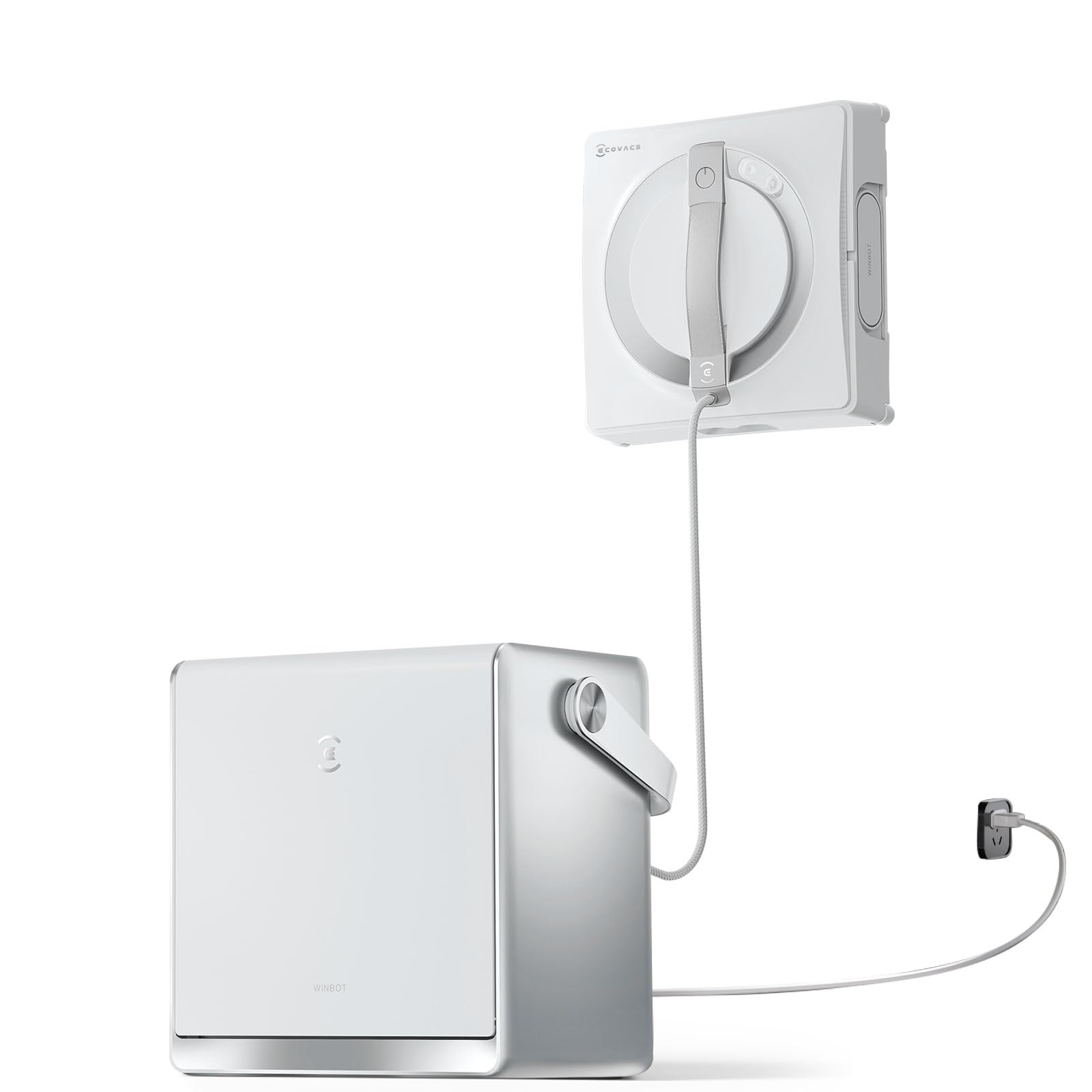
- The WINBOT W2 PRO Omni describes a multi-functional station, battery and plugged-in power modes, up to 110 minutes of battery cleaning, and WIN-SLAM 4.0 path planning.
- It also lists five cleaning modes and a triple-nozzle spray system.
- The W3 Omni’s central convenience feature is its station’s automatic pad washing, alongside WIN-SLAM 5.0 navigation and Fast, Intensive, and Zone modes.
Is WINBOT W3 Omni Worth It?
The ECOVACS WINBOT W3 Omni is worth considering for homes with substantial glass and a regular window-cleaning routine.
Its pad-washing station, flexible modes, edge-focused scrubber, and wide-angle spray system target both the cleaning pass and some of the follow-up work.
Buy it if those conveniences justify the added station and setup in your home.
Keep expectations centered on routine dirt, and plan to rinse the pad or repeat a cycle for heavier buildup; for high windows, follow the tether and safety instructions carefully.
Your review at a glance
500+ ratings
Read Amazon ReviewsECOVACS WINBOT W3 Omni
A fit for households with large glass panels that want automated routine window cleaning and less hands-on pad washing.
- A multi-functional station automatically washes the wiping pads after use; an optional self-cleaning function is also described for the station.
- The station’s Vortex Wash system uses 16 high-pressure nozzles and is specified to clean the pads in one minute.
- TruEdge technology lowers the scrubber along window edges and into corners, with automatic retraction during operation.
- WIN-SLAM 5.0 navigation includes dynamic obstacle avoidance and Fast, Intensive, and Zone cleaning modes.